 Cookie preferences


 Español
 Français
 Deutsch
 Italiano
 Svenska
 Nederlands
 Português
 Dansk
 Polski
 Română
 български език
 Magyar
 Čeština
 Slovenščina
 Slovenčina
 Русский
 中文
 ελληνικά

There are no more items in your cart

Meat
Discover the different types of Spanish meat
Spanish meats play a vital role in the cuisine of the Iberian Peninsula. The diversity of livestock farming, the quality of the raw ingredients and regional culinary traditions allow you to discover meats with authentic flavours, suitable for a wide range of cooking methods.
Among the most sought-after specialities, Iberian pork stands out for its natural marbling, tenderness and rich flavours. A key characteristic of Iberian pork is its ability to develop intramuscular fat, which gives the meat a particularly juicy and melt-in-the-mouth texture after cooking.
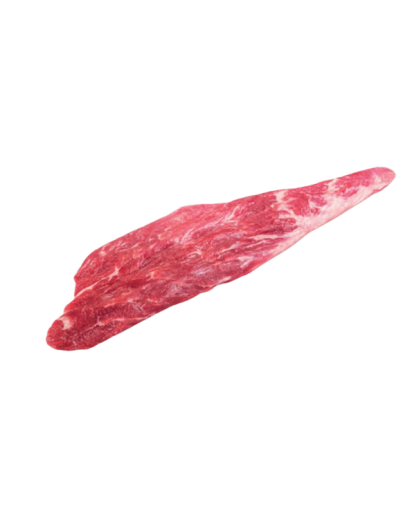
Premium cuts such as presa, pluma and Iberian pork cheeks are particularly prized by meat lovers and catering professionals. Each cut has its own distinctive flavour profile and lends itself to different cooking methods.
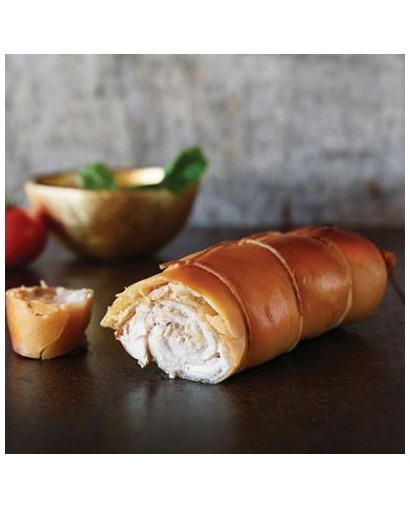
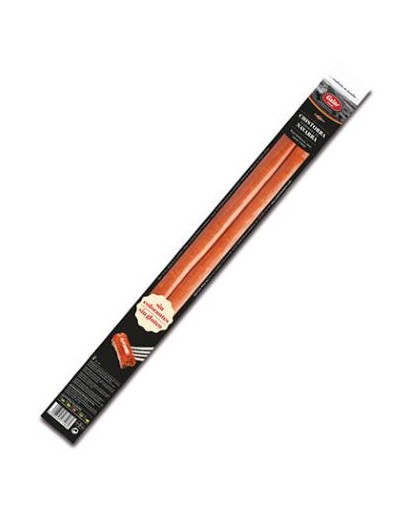
Spanish cuisine also offers specialities such as chistorra and fresh chorizo, which are essential for barbecues, tapas and traditional recipes. Unlike cured Spanish charcuterie products, these specialities must be cooked before eating.
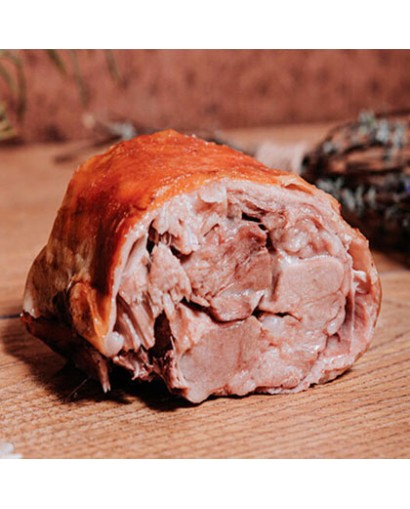
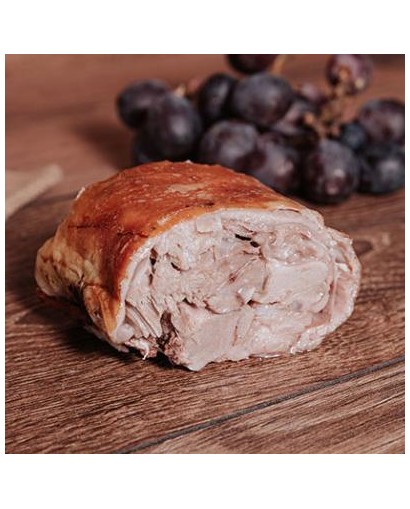
For those who enjoy convivial meals and oven-baked dishes, our selection of roasts also offers a chance to discover other ways to enjoy Spanish meats.
Presa, pluma or Iberian pork cheeks: which cut should you choose?
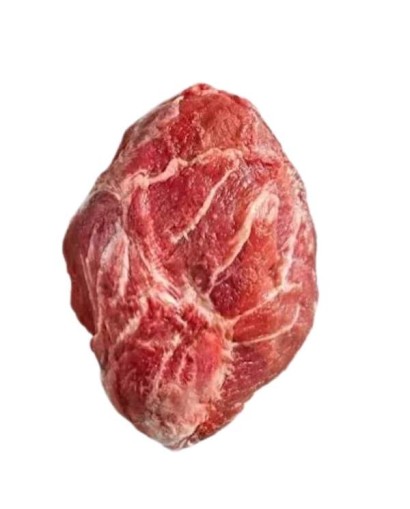
Iberian presa is a prime cut located in the upper part of the shoulder, close to the loin. Its relatively thick cut and generous marbling give it a tender, juicy texture and a rich, intense flavour. It is particularly well suited to cooking on the plancha, on the barbecue or in a frying pan.
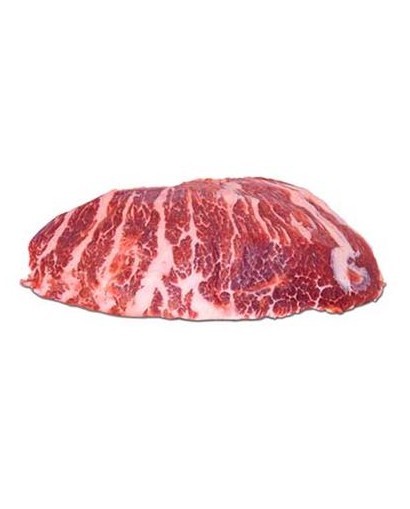
Iberian pluma is a triangular-shaped cut located near the loin. Thinner than the presa, it is distinguished by its tenderness, its balance of meat and intramuscular fat, and the subtlety of its flavours. It is particularly well-suited to quick cooking on the plancha or on the grill.
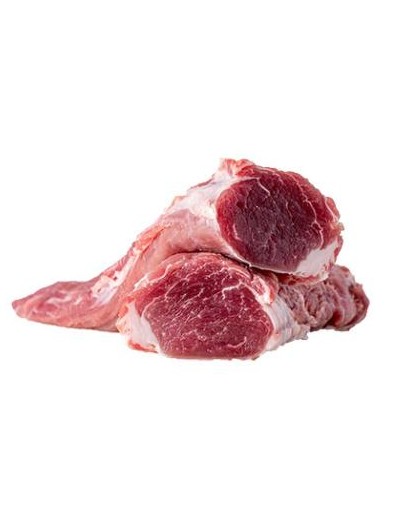
Iberian pork cheeks, also known as ‘carrilleras’, are particularly prized for their melt-in-the-mouth texture after slow cooking. Rich in connective tissue, they become exceptionally tender when simmered. They are ideal for recipes with a sauce, particularly those made with red wine or vegetables.
The choice of cut therefore depends mainly on the cooking method and your taste preferences. The presa offers a generous, marbled cut, the pluma is characterised by its delicacy and tenderness, whilst the cheeks reveal their full qualities when cooked slowly over a long period.
Chistorra or fresh chorizo: what’s the difference?
Chistorra, also known as txistorra, is a traditional speciality originating in Navarre and particularly widespread in the Basque Country. This thin, elongated sausage is usually made from pork, paprika, garlic and salt. Its small diameter means it cooks quickly in a frying pan, on a griddle or on the barbecue.
Spanish fresh chorizo is generally thicker in diameter. Its paprika seasoning gives it a characteristic red colour and rich flavours. Depending on the recipe, it can be mild or spicy and is suitable for grilling as well as for use in stews.
The main difference between chistorra and fresh chorizo lies in their size, texture, seasoning and regional traditions. Chistorra is ideal for preparing tapas and appetisers, whilst fresh chorizo is particularly well-suited to grilling, barbecuing and traditional recipes.
Lovers of dry chorizo and matured specialities can also discover our selection of Bellota Iberian cured meats, produced using traditional drying and maturing methods.
What size and quantity of meat should you choose depending on the number of guests?
The choice of meat size depends mainly on the number of people, the type of meal and the cuts selected. Small pieces of presa or pluma are particularly suitable for meals for two, whilst larger packs and roasts are ideal for family meals, receptions and catering professionals.
For a main course, generally allow between 150 and 250 g of raw, boneless meat per adult, depending on the side dishes and your guests’ appetites. For four people, 600 g to 1 kg will provide a generous meal.
For a barbecue featuring several varieties of Spanish meat, allow around 200 to 300 g per person. This allows you to serve a range of specialities, such as presa, pluma, chistorra and fresh chorizo, to offer a variety of flavours and textures.
For a family meal or a festive occasion, roasts are also an excellent alternative to individual grilled dishes. They allow you to prepare a convivial dish to share, served with potatoes, vegetables or a homemade sauce.
To create a meal with Spanish flavours, you could also start your tasting with Pata Negra Bellota ham and a selection of Spanish cheeses.
To buy Spanish meats online, discover our selection of Iberian pork cuts, roasts and traditional specialities, carefully chosen for their flavour. These gourmet products are ideal for everyday meals, barbecues, festive occasions and catering professionals alike.