Cookie preferences



 Español
 Français
 Deutsch
 Italiano
 Svenska
 Nederlands
 Português
 Dansk
Dansk
 Polski
 Română
 български език
 Magyar
 Čeština
 Slovenščina
 Slovenčina
 Русский
 中文
中文
 ελληνικά
How do you choose a premium Spanish ham? Discover the differences between 100% Iberian Bellota Pata Negra, Iberian...
Search in blog
Latest posts
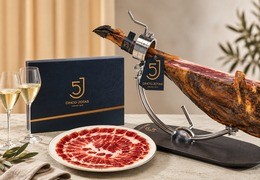
Premium Spanish Ham: How to Choose the Right Iberian Ham
Read more
The health benefits of extra virgin olive oil
Read more
Extra virgin olive oil is the cornerstone of the Mediterranean diet. Find out why incorporating it into your daily...
The origins of tapas: the history and tradition of Spanish cuisine
Read more
Tapas, true ambassadors of Iberian cuisine, have taken the world by storm. Discover their fascinating origins, from...
What is ‘Pata Negra’ ham? The meaning and secrets behind the world’s finest ham
Read more
The term ‘Pata Negra’ refers exclusively to 100 per cent Iberian ham from acorn-fed pigs, identified by an official...
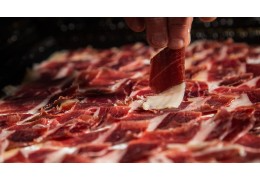
Acorn-fed Iberian ham: a surprising source of oleic acid (the ‘good’ cholesterol)
Read more
What makes Iberian ham so special is its nutritional quality and the way it is produced. Acorn-fed Iberian ham is...
BLOG
-
Premium Spanish Ham: How to Choose the Right Iberian HamRead more
How do you choose a premium Spanish ham? Discover the differences between 100% Iberian Bellota Pata Negra, Iberian Bellota and Cebo de Campo ham, and find the quality and format that best suits the occasion.
-
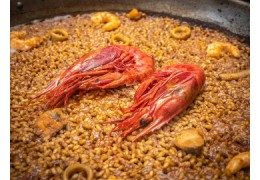 What is the best type of rice for paella?Read more
There are dozens of varieties of rice, but Valencian chefs are in no doubt: Bomba is the one that works best in a paella pan. And this is not just an arbitrary tradition.
-
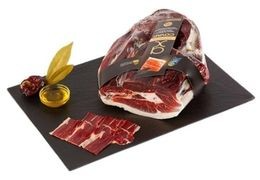 Boneless Iberian ham: convenience, quality and a gourmet treatRead more
Boneless Iberian ham is proving increasingly popular with lovers of Spanish cuisine in France: it combines the quality of a good Iberian ham with ease of slicing and a practical format for storage.
-
The health benefits of extra virgin olive oilRead more
Extra virgin olive oil is the cornerstone of the Mediterranean diet. Find out why incorporating it into your daily diet is a real health benefit.
-
The origins of tapas: the history and tradition of Spanish cuisineRead more
Tapas, true ambassadors of Iberian cuisine, have taken the world by storm. Discover their fascinating origins, from royal legends to folk traditions.
-
Acorn-fed Iberian ham: a surprising source of oleic acid (the ‘good’ cholesterol)Read more
What makes Iberian ham so special is its nutritional quality and the way it is produced. Acorn-fed Iberian ham is particularly notable for its oleic acid content.
-
What is ‘Pata Negra’ ham? The meaning and secrets behind the world’s finest hamRead more
The term ‘Pata Negra’ refers exclusively to 100 per cent Iberian ham from acorn-fed pigs, identified by an official black label: the highest quality grade of Spanish Iberian ham.
-
 Maturing ham: how to recognise, choose and store a Pata Negra hamRead more
Pata Negra ham captivates with its flavour, its melt-in-the-mouth texture and its reputation as an exceptional product. But behind every slice lies a great deal of hard work.
-
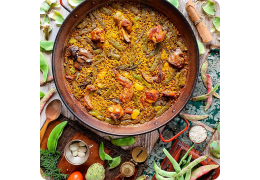 Recipe for Authentic Spanish Paella: the secrets of ValenciaRead more
Behind every paella lies a culinary philosophy dating back thousands of years. Find out why Valencia jealously guards its national treasure — and how to recreate it at home.
-
 Pata Negra Ham: the complete guide to authentic Iberian hamRead more
Pata Negra ham is one of Spain’s most prized gourmet products. A symbol of tradition, quality and excellence, it is distinguished by its intense flavour, marbled fat and long natural curing process.
-
 Cinco Jotas 5J Ham: the luxury of Iberian ham from JabugoRead more
Cinco Jotas 5J ham occupies a unique place in the world of Iberian ham. It is not merely a gourmet product: it is an expression of Spanish culinary luxury, a ham crafted with time and patience, in harmony with nature and thanks to exceptional expertise. Produced in Jabugo, Andalusia, Cinco Jotas has become a global benchmark for 100% Iberian acorn-fed Pata Negra.
-
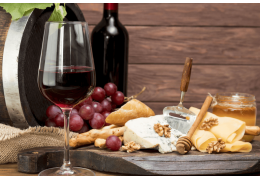 Ham and wine: A comprehensive guide to every type of cured meatRead more
Spanish wine and charcuterie make for a classic and delicious pairing. Each type of charcuterie – from Jamón Ibérico to chorizo, including salchichón, lomo and morcilla – pairs well with specific wines to bring out its flavours and textures. Recommendations include reds such as Rioja or Ribera del Duero, dry whites such as Albariño or Godello, and even rosés or sparkling wines such as Cava. The idea is to create a harmonious balance of flavours, counterbalancing salty, fatty or spicy notes...