We use our own and third-party cookies to analyse our services and show you advertising related to your preferences based on a profile of your browsing habits (e.g. pages visited). You can get more information and configure your preferences HERE.
Necessary cookies
Always active
These cookies are strictly necessary for the site to function. You can deactivate them by changing your browser settings, but you will not be able to use the site normally.
Cookies used
Functional cookies
These cookies provide the information necessary for the applications on the site itself or integrated by third parties. If you deactivate them, you may encounter problems in the operation of the page.
Cookies used
The user is informed that he/she has the possibility of configuring his/her browser so that he/she is informed of the reception of cookies, and may, if he/she so wishes, prevent them from being installed on his/her hard drive.
Below we provide the links of various browsers, through which you can make this configuration:
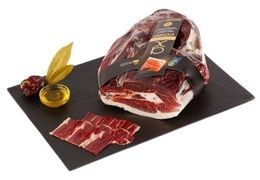
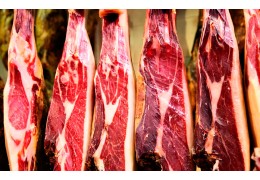
Pata negra ham is a highly prized gastronomic specialty. Originating in Spain, it is produced from free-range Iberian pigs fed on acorns and natural pastures. The production process involves a minimum curing period of 36 months for hams and 24 months for shoulders.
They are distinguished by their intense flavor and aroma, as well as their dark color and high fat content. There are different types and cuts of ham, each with its own characteristics and qualities.
In Spain, they benefit from designations of origin that guarantee their quality and authenticity.
History and origin of pata negra ham
Pata negra ham has a rich history and an origin deeply rooted in Spanish culinary tradition. Over the centuries, it has been considered a gastronomic jewel and a symbol of Spanish culture.
Iberian ham: a gastronomic jewel of tradition
Iberian ham, of which pata negra ham is the ultimate expression, dates back to ancient times. Iberian pigs are native to the Iberian Peninsula and have been raised here for centuries. Their dark skins and passion for acorns are distinctive features of this unique breed. The artisanal curing process and the way master ham makers work these pieces make Iberian ham a true gastronomic gem.
The influence of Extremadura Dehesas on ham quality
The Dehesas of Extremadura, located in south-western Spain, play a crucial role in the quality of pata negra ham. These vast woodlands provide an ideal natural environment for Iberian pigs to live in the wild and feed on acorns. The combination of climate, terrain and vegetation of the Dehesas de Extremadura contributes to the unique exquisite flavor of these hams.
The importance of the Iberian ham labeling system
Today, the Iberian ham labeling system plays an essential role in guaranteeing the authenticity and quality of these products. Since the Iberian ham labelling regulation came into force, it is essential that consumers know what they are buying and can identify whether it is genuine pata negra ham. The "Jamón 100% Ibérico de Bellota" label is the seal that confirms that this is a product of the highest quality and purity.
Pata Negra ham production process
Breeding and feeding of Iberian pigs
The exceptional quality of Pata Negra ham begins with the rearing and feeding of Iberian pigs. These animals are raised in the dehesas, vast areas of pasture and forest characteristic of Spain. The pigs are free-range, allowing them to roam and exercise naturally.
Feed plays an essential role in the flavor and quality of the ham. During the Montanera season, which runs from October to March, the pigs feed mainly on acorns that fall from cork and holm oaks. This acorn-rich diet contributes to the infiltration of fat into the muscle tissue and gives the ham its unique flavor and aroma.
The importance of the maturing period in ham quality
The curing period is essential to obtain a ham of exceptional quality. During this process, hams are hung in special cellars where they are subjected to controlled conditions of temperature and humidity. The length of the maturing process depends on the type of ham. It is at least 36 months for hams and 24 months for shoulders.
During this period, the ham develops its characteristic flavor, aroma and texture. The fat is evenly distributed and the meat takes on a soft, juicy texture. The maturing process allows flavors to intensify and aromas to fully develop, offering a unique gastronomic experience.
Factors influencing ham flavor and aroma
The flavor and aroma of Pata Negra ham are influenced by a number of factors. Genetics play an important role, as purebred Iberian pigs possess unique characteristics that are reflected in the quality of the ham.
In addition, the natural environment in which the pigs are raised and the type of feed they receive are determining factors in the final taste of the ham. Feeding on acorns and natural pastures brings unique nuances and flavors to the meat.
Finally, the curing process and the specific conditions of each cellar also influence the flavor and aroma of the ham. The combination of these factors results in a product of the highest quality and an incomparable pleasure for Pata Negra ham lovers.
How to choose and store Pata Negra Iberian Ham?
Pata Negra ham is an exquisite delicacy, but it's essential to choose and preserve it correctly to enjoy its full flavor. Here are a few useful tips to help you do just that.
Factors to consider when buying ham
When buying a Pata Negra ham, it's important to consider several aspects to ensure its quality. Pay attention to the following factors:
●Its name: choose a ham that clearly states "Jamón 100% ibérico bellota" to guarantee the best quality.
●Quality label: check that the ham bears a black collar with the ASICI logo and the words "100% jamón ibérico", which guarantees its authenticity.
●Type of feed: consider whether you prefer acorn-fed ham or "Cebo de Campo" free-range ham, as each has different characteristics and flavors.
The different cuts of ham and their culinary uses
Pata Negra ham comes in different cuts, each with its own specific culinary uses. Although it's best to enjoy ham on its own in thin slices. Here are the most common cuts:
●"La maza": this is the juiciest, most tender part, ideal for enjoying in thin slices on a plate.
●"La contramaza": less fatty and drier. It has a more intense flavor and is often used in gourmet dishes.
●"La punta": This is a more fibrous area, but full of flavor. Excellent cut thin. This part is a little saltier. Ideal in thin slices and for stews, simmered dishes and dishes that require longer cooking times.
Tips for storing ham correctly and prolonging its freshness
To maintain the quality and freshness of Pata Negra ham, it's essential to follow these storage tips:
●Storage: Store ham in a cool, dry place, preferably in a ham rack or hanging vertically.
●Proper cutting: cut only the quantity of ham needed at the time of consumption, avoiding prolonged contact with the air.
●Cover: At the end of each use, cover the cutting area with ham fat or cling film, to prevent oxidation and dehydration.
●Temperature: Pata Negra ham should be eaten at room temperature, between 20 and 22 degrees Celsius, to fully appreciate its flavor and aroma.
With these tips, you'll be able to choose and store your Pata Negra ham correctly, guaranteeing you a great experience. Enjoy this gastronomic treasure!