Cookie preferences



 Español
 Français
 Deutsch
 Italiano
 Svenska
 Nederlands
 Português
 Dansk
 Polski
 Română
 български език
 Magyar
 Čeština
 Slovenščina
 Slovenčina
 Русский
 中文
 ελληνικά
How do you choose a premium Spanish ham? Discover the differences between 100% Iberian Bellota Pata Negra, Iberian...
Search in blog
Latest posts

Premium Spanish Ham: How to Choose the Right Iberian Ham
Read more
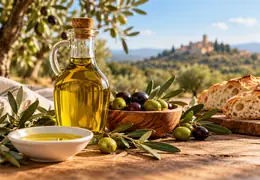
Extra Virgin Olive Oil: Health Benefits, Properties and How to Choose the Best
Read more
Extra virgin olive oil (EVOO) is a cornerstone of the Mediterranean diet. Prized for its distinctive flavour and high...
The origins of tapas: the history and tradition of Spanish cuisine
Read more
Tapas, true ambassadors of Iberian cuisine, have taken the world by storm. Discover their fascinating origins, from...
What is ‘Pata Negra’ ham? The meaning and secrets behind the world’s finest ham
Read more
The term ‘Pata Negra’ refers exclusively to 100 per cent Iberian ham from acorn-fed pigs, identified by an official...
Acorn-fed Iberian ham: a surprising source of oleic acid (the ‘good’ cholesterol)
Read more
What makes Iberian ham so special is its nutritional quality and the way it is produced. Acorn-fed Iberian ham is...
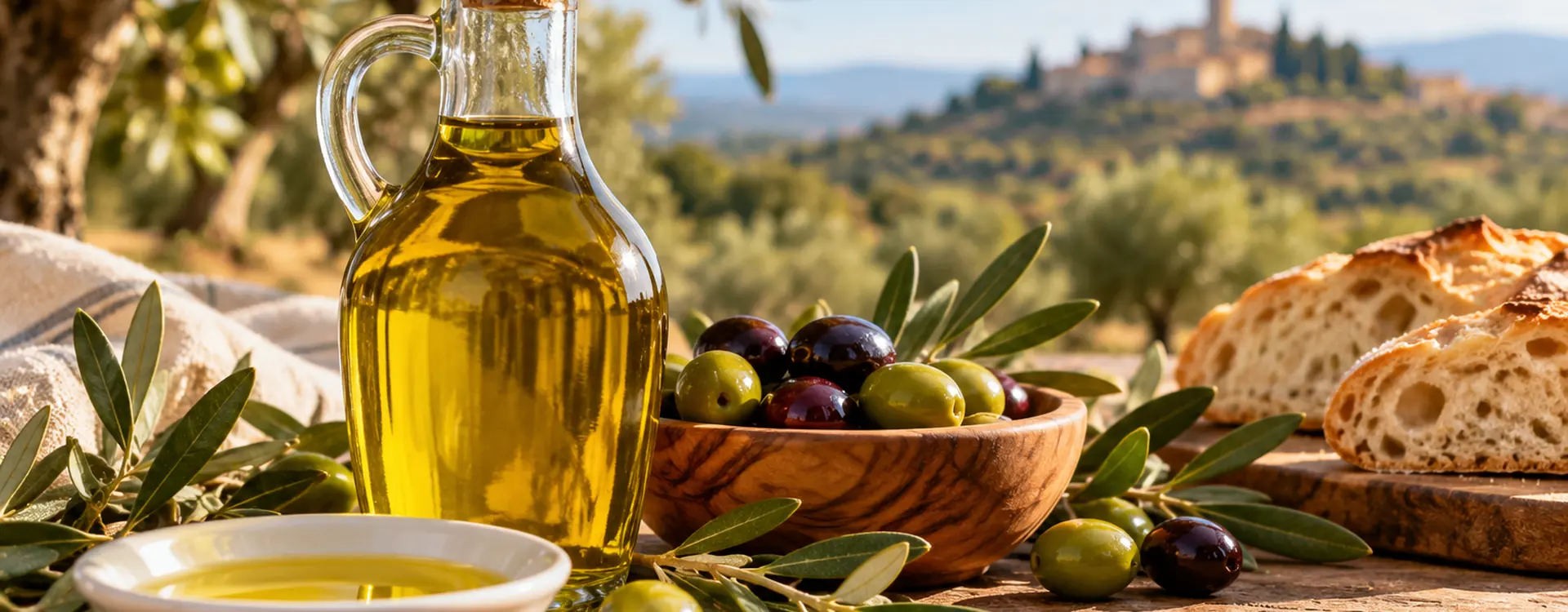
Extra Virgin Olive Oil: Health Benefits, Properties and How to Choose the Best
Extra virgin olive oil (EVOO) is a cornerstone of the Mediterranean diet. Prized for its distinctive flavour and high content of monounsaturated fats, it also contains naturally occurring compounds such as polyphenols.
But what are the real health benefits of extra virgin olive oil? How can you recognise a good-quality oil, store it correctly and make the most of it in your cooking? Discover its nutritional properties, practical advice and the facts behind some common misconceptions.
What is extra virgin olive oil?
Extra virgin olive oil is obtained directly from olives using mechanical or other physical processes, without chemical refining.
To qualify as extra virgin, an olive oil must meet strict chemical and sensory standards. Its free acidity, expressed as oleic acid, must not exceed 0.8%.
However, lower acidity does not automatically mean better olive oil. Acidity is a laboratory measurement and should not be confused with how acidic an oil tastes.
A good extra virgin olive oil should have pleasant fruity aromas, a balanced flavour and no sensory defects.
What are the nutritional benefits of extra virgin olive oil?
The nutritional qualities of EVOO are largely associated with its fatty acid composition and the naturally occurring compounds found in olives.
Rich in monounsaturated fats
Olive oil contains a high proportion of oleic acid, a monounsaturated fatty acid.
Replacing saturated fats with unsaturated fats in the diet contributes to maintaining normal blood cholesterol levels.
The nutritional value of olive oil therefore depends partly on what it replaces. Using it instead of certain fats that are higher in saturated fatty acids can be a sensible dietary choice.
Contains naturally occurring polyphenols
Extra virgin olive oil contains polyphenols, plant compounds whose concentration varies according to the olive variety, harvesting conditions, extraction methods and storage.
Some olive oil polyphenols help protect blood lipids from oxidative damage.
This effect is recognised through an authorised European Union health claim, but only for oils that meet specific requirements regarding their polyphenol content.
Not every extra virgin olive oil contains the same amount of these compounds, so this particular benefit should not automatically be attributed to every bottle of EVOO.
A source of vitamin E
Extra virgin olive oil also provides vitamin E, a nutrient that contributes to the protection of cells from oxidative stress.
Vitamin E levels vary between oils. Olive oil can contribute to dietary intake of this vitamin as part of a varied and balanced diet.
Extra virgin olive oil and heart health: what does the research say?
Olive oil is a key ingredient in the Mediterranean diet, a dietary pattern that has been extensively studied for its relationship with cardiovascular health.
Several studies have found favourable associations between following a Mediterranean-style diet and certain measures of cardiovascular health.
However, these findings generally relate to the overall dietary pattern, which includes vegetables, fruit, pulses, wholegrains, nuts, fish and olive oil.
Olive oil should not be regarded as a food that can prevent or treat cardiovascular disease on its own.
Its main nutritional advantage lies in its fatty acid profile and its role in replacing some sources of saturated fat within a balanced diet.
Does olive oil have anti-inflammatory properties?
Some naturally occurring compounds in extra virgin olive oil, including oleocanthal, are being investigated for their potential biological effects.
Experimental research has identified mechanisms that may be relevant to inflammatory processes.
However, these findings do not establish that consuming olive oil relieves joint pain or treats inflammatory conditions in people.
It is important to distinguish promising laboratory findings from clinically demonstrated health benefits.
Is olive oil good for digestion?
Olive oil has long been used in Mediterranean cooking, both as a dressing and as a cooking ingredient.
Like other dietary fats, it forms part of normal digestive processes and helps the body absorb fat-soluble vitamins present in food.
However, claims that extra virgin olive oil cures digestive problems, protects the stomach or improves bowel movements in everyone should be treated with caution.
Digestive tolerance varies from person to person and depends on the amount consumed and the composition of the meal.
How much extra virgin olive oil should you consume each day?
There is no single recommended quantity of extra virgin olive oil that suits everyone.
One or two tablespoons may be a useful practical reference for some meals, but the appropriate amount depends on individual energy requirements and the other fats included in the diet.
It is worth remembering that olive oil is energy-dense. A tablespoon containing approximately 15 ml provides around 120 calories.
The aim is not necessarily to add more oil to your meals, but to use it sensibly, particularly as an alternative to some sources of saturated fat.
Can you cook with extra virgin olive oil?
One common misconception is that extra virgin olive oil should only be used cold.
In fact, EVOO is suitable for a wide range of everyday cooking methods, including:
- Dressing salads and fresh vegetables.
- Sautéing vegetables.
- Cooking fish and meat.
- Preparing sauces and marinades.
- Roasting vegetables in the oven.
- Finishing dishes with a drizzle of oil.
Its performance during cooking depends on the temperature, heating time and characteristics of the oil itself.
To preserve its flavour and avoid unnecessary deterioration, do not allow the oil to smoke or expose it to excessively high temperatures for prolonged periods.
How to recognise good-quality extra virgin olive oil
The quality of an extra virgin olive oil depends on several factors, from olive cultivation and harvesting to extraction and storage.
Origin and traceability
Clear information about the oil's origin, producer and production region can help you understand its characteristics.
Climate, soil conditions and growing practices all influence the final flavour profile.
Olive variety
Different olive varieties produce oils with distinctive sensory characteristics:
- Picual: often robust and intensely flavoured, with green notes, noticeable bitterness and a peppery finish.
- Arbequina: generally milder, with delicate fruity aromas and a softer finish.
- Hojiblanca: appreciated for its balance of grassy notes, bitterness and peppery sensations.
- Cornicabra: typically aromatic, with a distinctive intensity and lingering flavour.
These descriptions are general guidelines. The final character of an oil also depends on olive ripeness and production methods.
Freshness and storage conditions
The harvest date, when provided, can be a useful indication of freshness.
It is also worth checking the best-before date and how the oil has been stored.
A good extra virgin olive oil should smell fresh and pleasant, without rancid notes or other sensory defects.
How to store extra virgin olive oil properly
Light, heat and oxygen are three of the main factors that can accelerate the deterioration of olive oil.
To help preserve its flavour and quality:
- Keep the bottle away from direct sunlight.
- Avoid storing it beside the oven or hob.
- Close the bottle tightly after each use.
- Store it in a cool, dry place.
- Avoid significant temperature fluctuations.
- Use it within a reasonable period after opening.
Dark glass bottles and opaque metal tins can help protect olive oil from exposure to light.
How to use extra virgin olive oil in everyday cooking
One of the greatest advantages of extra virgin olive oil is its culinary versatility.
It can transform a simple slice of toasted bread, enhance a tomato salad, complement roasted vegetables or add a finishing touch to fish and meat dishes.
It is also an essential ingredient in Mediterranean favourites such as gazpacho, salmorejo and grilled vegetables.
To explore different flavour profiles and intensities, discover our selection of extra virgin olive oils, chosen for their gastronomic qualities.
Frequently asked questions about extra virgin olive oil
What is the difference between olive oil and extra virgin olive oil?
Extra virgin olive oil is obtained directly from olives through mechanical or other physical processes and must meet specific quality standards. Products sold simply as olive oil generally contain a blend of refined olive oil and virgin olive oils.
Is it healthy to consume olive oil every day?
Olive oil can be included in everyday meals as part of a balanced diet, provided that the quantity suits your individual nutritional needs.
Does extra virgin olive oil cause weight gain?
Like all edible oils, it is high in calories. Its effect on body weight depends on the amount consumed and overall energy balance, rather than its presence in the diet alone.
Is peppery olive oil better quality?
Pepperiness and bitterness may be associated with the presence of certain phenolic compounds. However, these sensations alone are not sufficient to determine the overall quality of an oil.
Conclusion: understanding the benefits of extra virgin olive oil
Extra virgin olive oil combines excellent culinary qualities with an interesting nutritional profile. Its high proportion of monounsaturated fats, varying polyphenol content and established place in the Mediterranean diet all contribute to its appeal.
Nevertheless, its potential health benefits should be considered within the context of an overall balanced diet, without attributing unproven medical effects to it.
Choosing a good-quality EVOO, storing it correctly and using it thoughtfully allows you to enjoy its distinctive flavours and nutritional qualities as part of everyday cooking.
Posted in:
Sample Category
Related posts
 La meilleure charcuterie espagnole disponible en ligne
Découvrez la meilleure charcuterie espagnole en ligne avec Espagne Gourmet.
Read more
Les meilleurs jambons pata negra d'Espagne
Découvrez le secret des meilleurs jambons Pata Negra d'Espagne! Plongez dans notre guide complet et savourez un...
Read more
Guide pour choisir son jambon : clés pour une sélection parfaite.
Découvrez les clés d'une sélection idéale de jambon avec notre guide pratique. Du jambon Serrano classique aux...
Read more
Tout savoir sur l’étiquetage du jambon ibérique
Les étiquettes en couleur des jambons ibériques vous aident à découvrir facilement la qualité du jambon que vous...
Read more