Cookie preferences


 Español
 Français
 Deutsch
 Italiano
 Svenska
 Nederlands
 Português
 Dansk
 Polski
 Română
 български език
 Magyar
 Čeština
 Slovenščina
 Slovenčina
 Русский
 中文
 ελληνικά
How do you choose a premium Spanish ham? Discover the differences between 100% Iberian Bellota Pata Negra, Iberian...
Search in blog
Latest posts

Premium Spanish Ham: How to Choose the Right Iberian Ham
Read more

Extra Virgin Olive Oil: Health Benefits, Properties and How to Choose the Best
Read more
Extra virgin olive oil (EVOO) is a cornerstone of the Mediterranean diet. Prized for its distinctive flavour and high...
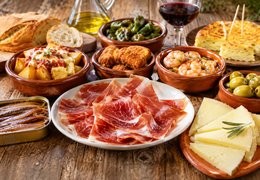
The Origins of Spanish Tapas: History, Legends and Traditions
Read more
Where did Spanish tapas originate? These delicious small dishes are much more than a way of enjoying food. From a...
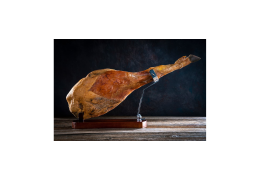
What is ‘Pata Negra’ ham? The meaning and secrets behind the world’s finest ham
Read more
The term ‘Pata Negra’ refers exclusively to 100 per cent Iberian ham from acorn-fed pigs, identified by an official...
Acorn-fed Iberian ham: a surprising source of oleic acid (the ‘good’ cholesterol)
Read more
What makes Iberian ham so special is its nutritional quality and the way it is produced. Acorn-fed Iberian ham is...
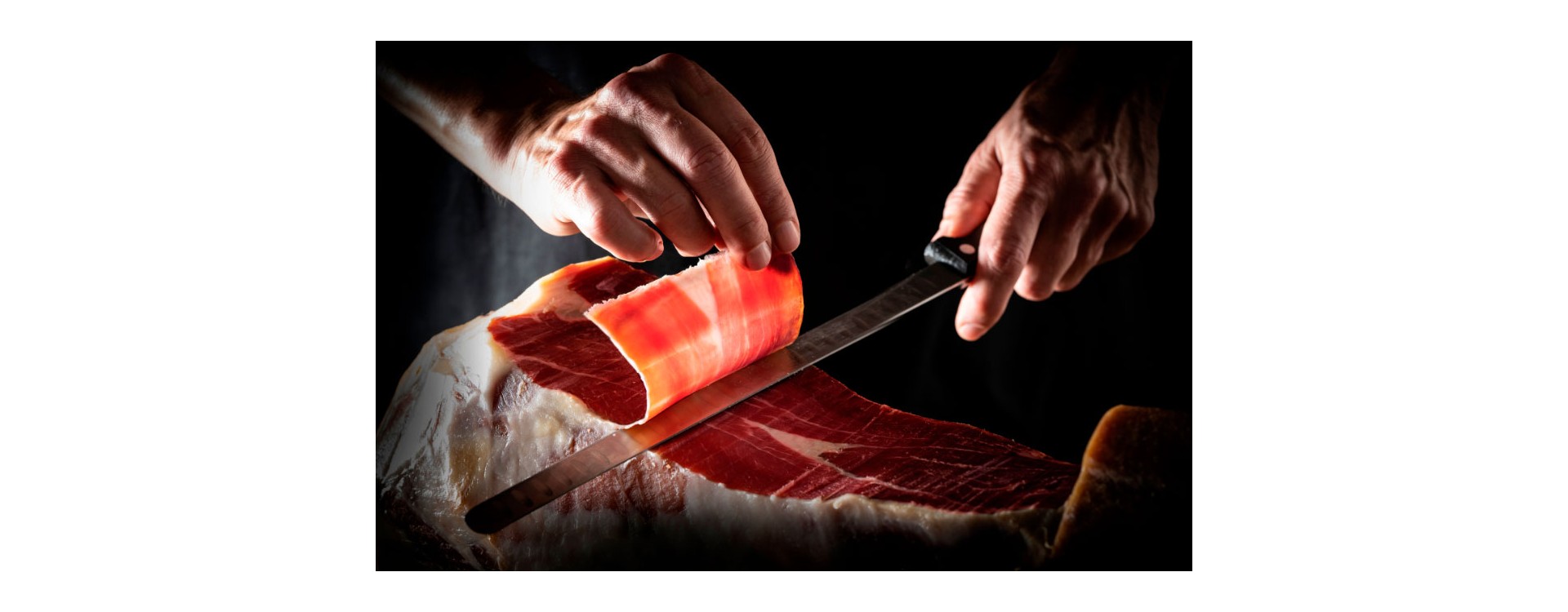
How to Choose the Best Spanish Ham: A Complete Buying Guide
Should you choose Serrano ham, Ibérico ham or Pata Negra? With so many different grades, prices and formats available, finding the right Spanish ham can be more complicated than it first appears.
In this practical buying guide, we explain how to choose the best ham for your taste, budget, number of guests and occasion. Discover the differences between whole, boneless and sliced ham, how much to buy and what to look for when choosing a quality product.
Which Spanish ham should you choose: Serrano, Ibérico or Pata Negra?
When buying Spanish ham, the first step is to decide which style you enjoy most. The most expensive ham is not necessarily the best choice for every occasion. Flavour, texture, marbling and curing all contribute to the eating experience.
Serrano ham: traditional flavour and excellent value
Serrano ham is made from white-breed pigs and is known for its distinctive cured flavour, relatively firm texture and generally leaner appearance compared with many Iberian hams.
It is a versatile choice for sandwiches, breakfast, sharing platters and everyday meals. Its flavour can range from mild and delicate to more pronounced, depending on the producer and curing process.
For a more refined experience, look for Reserva or Gran Reserva Serrano ham, or regional specialities such as Trevélez PGI ham. Some are traditionally cured using only ham and salt, without added preservatives.
Best for: anyone looking for authentic Spanish cured ham with a good balance of flavour, quality and affordability.
Cebo de Campo Ibérico ham: an excellent introduction to Iberian ham
Cebo de Campo Ibérico ham comes from pigs with at least 50% Iberian breeding, reared outdoors in accordance with the requirements of this category.
Compared with Serrano, it often has more marbling, a softer texture and a richer mouthfeel. The exact flavour varies according to the producer, the animal's diet and the curing process.
It is a particularly good option if you want to discover the character of Iberian ham without paying the premium associated with acorn-fed Bellota products.
At Espagne Gourmet, Cebo de Campo is our entry-level category for Iberian ham. We do not sell standard Cebo Ibérico ham from intensive indoor farming.
Bellota Ibérico ham: rich, complex and beautifully marbled
Bellota Ibérico ham comes from Iberian pigs that spend the montanera season roaming the dehesa, where they feed mainly on acorns and other natural resources.
This traditional way of rearing pigs, together with the characteristics of the Iberian breed and a carefully managed curing process, produces ham with a distinctive texture and complex aromas.
Bellota ham from 50% or 75% Iberian pigs can offer an outstanding tasting experience at a generally lower price than 100% Iberian Bellota Pata Negra.
Best for: people who enjoy a richer, more lingering flavour and want something special for entertaining or personal enjoyment.
Pata Negra ham: a premium choice for special occasions
Authentic Pata Negra ham is exclusively Bellota ham from 100% Iberian pigs. The designation is reserved for this specific category under Spanish regulations.
Renowned for its delicate texture, melting fat and remarkable depth of flavour, it is an excellent choice for celebrations, gifts and memorable tasting experiences.
Not every Ibérico ham is Pata Negra, and not every acorn-fed ham is 100% Iberian. Understanding the distinction is important when comparing products and prices.
For a more detailed explanation of the different grades, breed percentages and official colour-coded seals, explore our Spanish ham guides and buying advice.
How to choose Spanish ham for your budget
Your budget will naturally influence your decision, but the overall price should not be your only consideration. Think about the quality, presentation, usable meat and how quickly you expect to eat it.
On a smaller budget: choose a good Serrano ham
A well-made Reserva or Gran Reserva Serrano ham offers plenty of flavour without the higher cost of premium Iberian products.
If you are buying a whole leg, compare the price with the estimated amount of edible meat. A smaller shoulder may cost less initially, but it contains proportionally more bone and trimming.
For a mid-range budget: consider Cebo de Campo Ibérico
Cebo de Campo offers a good introduction to the texture and flavour of Iberian ham. It is particularly suitable if you enjoy marbled cured meat but do not need the full complexity of a Bellota ham.
Another option is to buy a smaller boneless piece of a higher-grade ham instead of a whole leg.
For a premium budget: Bellota or Pata Negra
Bellota Ibérico ham is ideal for those who appreciate more developed aromas and a softer, richer texture.
For a truly special occasion, consider 100% Iberian Bellota Pata Negra from renowned producers such as Cinco Jotas 5J, Montesano, COVAP or Señorío de Montanera.
Our advice: a smaller quantity of exceptional ham is often a better purchase than a whole leg you may struggle to finish while it is at its best.
How much Spanish ham do you need per person?
One of the most common questions when buying ham is how much to order. The answer depends on whether you are serving it as a small appetiser, part of a sharing platter or the centrepiece of a meal.
For an aperitif or starter alongside other foods, allow approximately 30–50g of sliced ham per person. If ham is the main attraction, around 60–80g per person is a useful starting point.
How much sliced ham should you buy?
- 2 people: approximately 60–100g for a light starter.
- 4 people: approximately 120–200g.
- 6 people: approximately 180–300g.
- 10 people: approximately 300–500g.
- 20 people: approximately 600g–1kg.
These figures are guidelines rather than strict rules. Adjust them according to the rest of your menu, your guests' appetites and how prominently ham features in the meal.
What size whole ham should you buy?
A whole Ibérico ham typically weighs around 6–10kg, but this includes the bone, rind and fat that will be trimmed away.
As a rough guide, the usable meat from a whole ham may represent approximately 40–50% of its original weight, depending on the leg and the skill of the person carving it.
For example, a 7kg ham could provide around 2.8–3.5kg of usable meat.
An Iberian shoulder generally weighs around 4–6kg and often has a lower yield, approximately 30–40%, because of its bone structure and higher proportion of trimming.
If you are only catering for a small dinner party, a whole leg is unlikely to be necessary. Boneless or pre-sliced ham will usually be more practical.
Whole, boneless or sliced Spanish ham: which format is best?
The format you choose has a major impact on convenience, storage and how you serve the ham. Each option has its advantages.
Whole Spanish ham: the traditional carving experience
A whole bone-in ham allows you to carve fresh slices immediately before serving. It also gives you the opportunity to appreciate the different textures and flavours found throughout the leg.
It is a rewarding choice for enthusiasts who enjoy carving, families who eat ham regularly and larger gatherings.
However, you will need a sturdy ham stand, a suitable carving knife and enough confidence to cut thin, even slices safely.
Explore our selection of Ibérico ham, with different grades, weights and producers.
Boneless Ibérico ham: convenience without compromising on quality
Boneless Ibérico and Pata Negra ham is an excellent choice for anyone who wants high-quality ham without having to handle a whole leg.
It is available in various sizes, including whole boneless pieces, half hams and smaller portions.
Boneless ham takes up less space, is easier to store and can be sliced using a suitable meat slicer or a sharp knife.
Because the bone has already been removed, a greater proportion of the weight you buy is usable, although some fat and trimming may still remain.
It is especially suitable for smaller households, occasional consumption and anyone who values convenience.
Sliced Spanish ham: ready to serve
Sliced Ibérico and Pata Negra ham is the easiest way to enjoy premium Spanish ham without any preparation.
Individual packs let you choose exactly how much you need and make it easy to sample several grades or producers.
You can also choose between hand-carved ham, which offers a traditional presentation, and machine-sliced ham, which provides consistent, thin slices.
Our advice: for two to four people who enjoy ham occasionally, smaller sliced packs are often the most convenient option.
Should you buy a ham or a shoulder?
Spanish ham comes from the pig's hind leg, while a shoulder comes from the front leg.
The hind leg is larger and generally offers a higher proportion of usable meat. It also produces longer slices from its broadest sections.
The shoulder is smaller and has proportionally more bone, which makes carving a little more challenging. However, it can have a particularly pronounced flavour.
A shoulder is not necessarily inferior in quality. A Bellota Iberian shoulder can be every bit as enjoyable as a premium ham, simply with a different shape, yield and eating experience.
If you want maximum yield and expect to eat ham regularly, a hind leg may be preferable. If you want a smaller whole piece and enjoy robust flavours, a shoulder is well worth considering.
Which Spanish ham suits your taste?
Even within the same official category, hams can taste noticeably different. Breed, diet, curing conditions, producer and fat content all influence the finished product.
If you prefer mild, balanced flavours
Start with a quality Serrano ham or Cebo de Campo Ibérico. Both can offer approachable flavours without the pronounced richness of some Bellota products.
If you enjoy rich, lingering flavours
Bellota Ibérico ham is a particularly good choice. Its marbling and traditional acorn-fed production contribute to its distinctive character.
Serve it in thin slices with simple accompaniments that will not overpower its flavour.
If you want a melting texture and exceptional complexity
Consider 100% Iberian Bellota Pata Negra. Depending on the producer and the individual ham, you may notice nutty, toasted or woodland-like aromas and a particularly long finish.
One of the best ways to discover your preferences is to compare small portions of different hams under the same serving conditions.
Which ham should you buy for different occasions?
For drinks and nibbles with friends
Pre-sliced ham is the easiest option. A combination of good Serrano and Bellota Ibérico offers an enjoyable contrast in texture and flavour.
For a dinner party or family celebration
A premium Bellota ham makes an excellent centrepiece for a tasting platter. If you are entertaining a large group, a whole leg can also become part of the occasion, particularly when carved in front of guests.
For a food lover's gift
Consider the recipient's habits before buying a whole leg. Someone who already owns a ham stand and carving knife may appreciate the traditional format.
For someone without carving equipment, a selection of sliced ham or a boneless piece will often be a more thoughtful and practical choice.
Premium producers such as Cinco Jotas 5J, COVAP, Montesano and Señorío de Montanera offer excellent options for discerning ham lovers.
For everyday enjoyment
A good Reserva or Gran Reserva Serrano ham, or a Cebo de Campo Ibérico, can provide a satisfying balance of quality and value.
If you eat only small quantities at a time, individually packed slices or smaller boneless portions can help you avoid unnecessary waste.
How can you recognise quality Spanish ham?
When comparing products online, look beyond attractive photographs and marketing descriptions. A trustworthy retailer should provide clear information about the ham.
- Product designation: check whether it is Serrano, Cebo de Campo Ibérico, Bellota Ibérico or 100% Iberian Bellota Pata Negra.
- Producer and origin: established producers should provide meaningful information about their products and how they are made.
- Curing: the length of curing should suit the size and characteristics of the ham. Longer curing is not automatically better.
- Ingredients: some traditionally cured hams contain only ham and salt, with no added preservatives.
- Traceability: whole Iberian hams carry official colour-coded seals identifying their regulatory category.
Be cautious of products advertised simply as Pata Negra without a clear indication that they are 100% Iberian and Bellota.
How to store and serve Spanish ham
Proper storage depends on whether your ham is whole, boneless or sliced. Always follow the producer's instructions and the storage information on the packaging.
Storing a whole ham
Before carving, keep the ham in the conditions recommended by the producer, away from excessive heat, damp and direct sunlight.
Once opened, protect the exposed surface to help prevent it from drying out. If you do not expect to eat ham regularly, a smaller format may be more suitable.
Storing boneless ham
Vacuum-packed boneless ham should be stored according to its label, which may specify refrigeration or another suitably cool environment depending on the product.
Once opened, protect the cut surface and follow the producer's guidance on storage and consumption.
Storing and serving sliced ham
Keep sliced ham according to the packaging instructions, usually in the fridge.
For the best flavour and texture, allow it to lose some of its chill before serving, while remaining within the recommended food safety guidance.
Arrange the slices loosely on a plate rather than piling them on top of one another. This helps you appreciate the texture and aroma of the ham.
Frequently asked questions about buying Spanish ham
What is the best Spanish ham for beginners?
A good Gran Reserva Serrano or Cebo de Campo Ibérico is an excellent starting point. You could also try several small packs of sliced ham to compare different styles.
How much Spanish ham do I need for four people?
For a light starter or sharing platter with other foods, allow around 120–200g of sliced ham. Increase the quantity if ham is the main feature of the meal.
Is buying a whole ham cheaper?
The price per kilogram may be lower, but remember that a whole ham includes bone, rind and trimming. You may also need carving equipment. For occasional consumption, boneless or sliced ham can offer better practical value.
Do I need to buy Pata Negra to enjoy excellent Ibérico ham?
Not at all. A well-produced 50% Iberian Bellota or Cebo de Campo ham can be outstanding. The right choice depends on your personal preferences and budget.
Is hand-carved ham better than machine-sliced ham?
Hand carving allows the person cutting the ham to adapt each slice to the structure of the meat and offers a traditional presentation. Machine slicing produces consistent slices and works particularly well with boneless pieces. Both methods can deliver excellent results when carried out properly.
Final advice: finding the right Spanish ham for you
Choosing the best Spanish ham starts with understanding what matters most to you: flavour, budget, number of guests and how often you plan to enjoy it.
Quality Serrano ham is a great everyday option. Cebo de Campo introduces you to the character of Iberian ham, while Bellota offers a richer and more complex tasting experience. For a particularly special occasion, 100% Iberian Bellota Pata Negra is an exceptional choice.
Finally, select the format that suits your lifestyle: whole for traditional carving, boneless for convenience or sliced for effortless serving.
At Espagne Gourmet, we carefully select quality Serrano and Ibérico hams from specialist producers, with a choice of grades, weights and formats to help you find the perfect match.
Posted in:
Sample Category
Related posts
 La meilleure charcuterie espagnole disponible en ligne
Découvrez la meilleure charcuterie espagnole en ligne avec Espagne Gourmet.
Read more
Les meilleurs jambons pata negra d'Espagne
Découvrez le secret des meilleurs jambons Pata Negra d'Espagne! Plongez dans notre guide complet et savourez un...
Read more
Tout savoir sur l’étiquetage du jambon ibérique
Les étiquettes en couleur des jambons ibériques vous aident à découvrir facilement la qualité du jambon que vous...
Read more
Le jambon Pata Negra
Discover pata negra and other Iberian hams by learning how they are produced.
Read more