Cookie preferences


 Español
 Français
 Deutsch
 Italiano
 Svenska
 Nederlands
 Português
 Dansk
Dansk
 Polski
 Română
 български език
 Magyar
 Čeština
 Slovenščina
 Slovenčina
 Русский
 中文
中文
 ελληνικά
Extra virgin olive oil is the cornerstone of the Mediterranean diet. Find out why incorporating it into your daily...
Search in blog
Latest posts
The health benefits of extra virgin olive oil
Read more
The origins of tapas: the history and tradition of Spanish cuisine
Read more
Tapas, true ambassadors of Iberian cuisine, have taken the world by storm. Discover their fascinating origins, from...
What is ‘Pata Negra’ ham? The meaning and secrets behind the world’s finest ham
Read more
The term ‘Pata Negra’ refers exclusively to 100 per cent Iberian ham from acorn-fed pigs, identified by an official...
Acorn-fed Iberian ham: a surprising source of oleic acid (the ‘good’ cholesterol)
Read more
What makes Iberian ham so special is its nutritional quality and the way it is produced. Acorn-fed Iberian ham is...
Maturing ham: how to recognise, choose and store a Pata Negra ham
Read more
Pata Negra ham captivates with its flavour, its melt-in-the-mouth texture and its reputation as an exceptional...
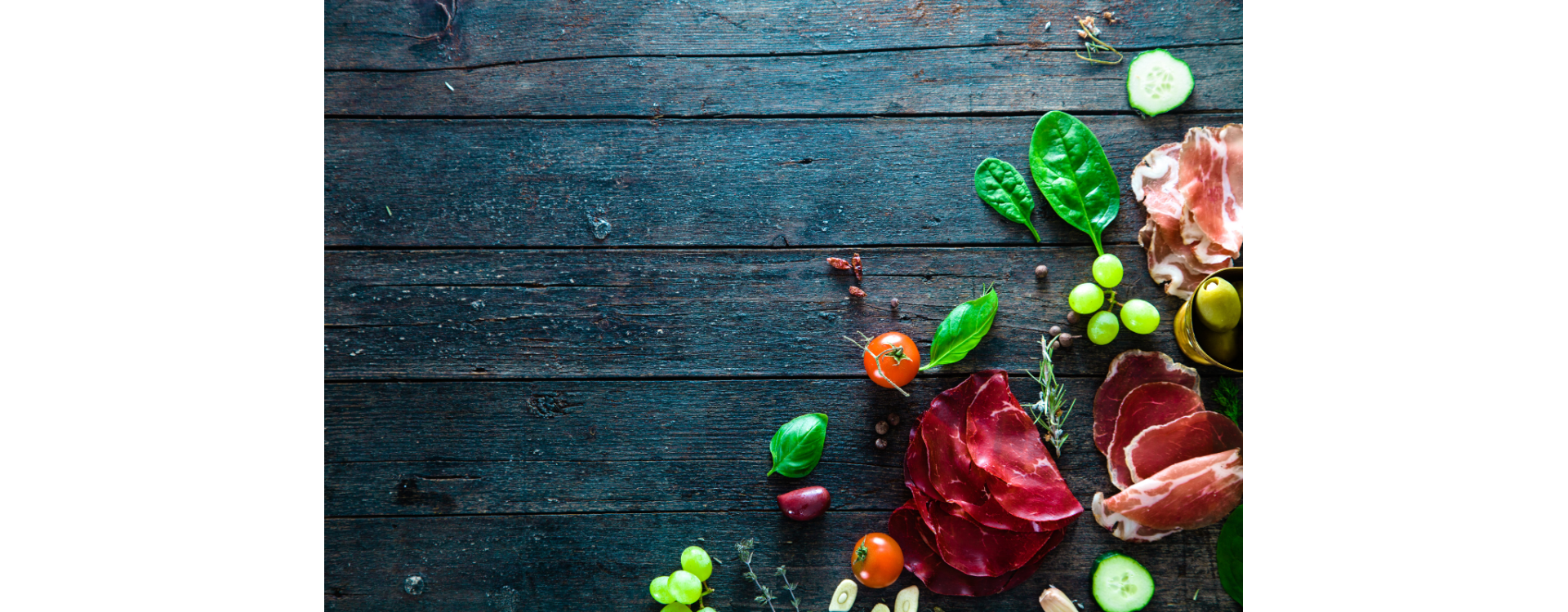
How to identify top-quality ham: Serrano ham and Iberian ham
Ham is a veritable institution in Spain, and among the most famous and prized varieties are " Serrano ham" and "Iberian ham". Both are renowned for their exceptional quality, distinctive taste and artisanal production process. But how can you tell the difference between a standard ham and a premium ham? Here are some essential criteria for identifying a premium Serrano or Iberian ham.
1. Origin and breed of pig
The first factor to take into account in determining a top-quality ham is the pig's origin.
For Serrano ham, the pig used is generally a white pig, raised mainly in the mountainous regions of Spain.
Iberian ham, on the other hand, comes exclusively from the Iberian pig, a breed native to southern and western Spain, distinguished by its black hooves and stylish ham shape. This distinction is crucial, as the Iberian breed has the characteristic of infiltrating fat into its muscles, resulting in a very fine texture.
The best Iberian pigs are free-range, feeding on acorns, roots, flowers and grasses in oak forests. The best ham is the " Jamón Ibérico Bellota ", considered one of the best in the world, especially in its best version, " Jambon Pata Negra ".
2. The curing and maturing process
Another important indicator of a top-quality ham is the curing and maturing process. Serrano ham is cured for between 11 and 23 months, giving it a firm texture and a delicate, slightly salty taste.
Iberian ham, on the other hand, is matured for much longer, between 30 and 50 months, particularly for the best bellota hams. This prolonged maturation allows the ham to develop more complex aromas and a melt-in-the-mouth texture.
To recognize a top-quality ham, it's essential to check the maturation period, which must be long enough to allow the product to reveal its full depth of flavor. A ham that has not benefited from this process will lose out in taste quality and richness.
For Serrano ham, a minimum of 15 months maturing is recommended to obtain a good ham, and for Iberian ham, a minimum of 36 months is required.
3. Texture and color
The visual appearance and texture of a ham are also important elements in judging its quality. High-quality Serrano ham is characterized by a pale pink to reddish color, with moderate fat infiltration that guarantees a rich yet delicate flavor. The fat is a key element as it melts slightly in the mouth, adding softness and enhancing aromas.
Iberian ham will have darker red flesh, with more pronounced marbling of fat infiltration. In a quality Iberian bellota ham, the fat is almost translucent, white to golden in color, depending on temperature. This abundant infiltration of intramuscular fat is a sure sign of a top-quality ham, giving it its melt-in-the-mouth texture and Iberian flavor.
4. Aroma and taste
Taste and aroma are the most important criteria for identifying a top-quality ham. Serrano ham has a mild taste, with a hint of salt that enhances its flavor. Its aroma is pleasant but discreet, reflecting its shorter curing period compared to Iberian ham.
Iberian ham, particularly bellota, will have intense, persistent aromas. Upon tasting, you'll discover notes of dried fruit, hazelnut and a slight acorn taste, due to the pigs' diet and the infiltration of fat into the muscles. A top-quality ham offers a unique taste experience.
5. Certifications and labels
To guarantee you're buying a top-quality ham, it's a good idea to check the labels and how they're produced. Serrano ham often benefits from the Protected Geographical Indication, such as Jambon de Trévélez, which guarantees that the product comes from authorized regions and complies with strict production standards. There are also quality Serrano hams that are produced without additives and have undergone natural, unforced maturing. This is the case with our Uniquia Serrano ham.
Iberian ham, on the other hand, has much more stringent controls and a system of colored labels that will classify hams according to a quality scale based on pig feed and breed. To find out more about labelling, read our article " All you need to know about Iberian ham labelling " .
6. The price
Price is often a direct indicator of the quality of Spanish ham. A top-quality Serrano ham will always be more affordable than an Iberian ham, but it's still more expensive than an industrial ham. On the other hand, Iberian bellota ham can fetch very high prices, due to the scarcity of Iberian pigs and the special care taken in their rearing and production.
When you buy an Iberian ham at a low price, beware: it could be the sign of an inferior product. A top-quality ham justifies its price by its rigorous manufacturing process and rarity.
Also, beware of sales of Iberian hams that some people call "pata negra ham" when in fact they are not. We remind you that a " pata negra ham " must be " 100% Iberian bellota ham ".
Conclusion
To identify atop-quality ham, Serrano or Iberian, several factors need to be taken into account: the breed of pig, its diet, the maturing method and time, texture, color, aroma, and finally the certification labels. Iberian ham, especially acorn-fed bellota, remains one of the world's most prestigious products. However, a well-produced Serrano ham can also offer exceptional quality, with delicate aromas and a pleasant texture. The final choice will depend on personal taste and budget, but by following these criteria, you can be sure of enjoying an exceptional ham.
Posted in:
Sample Category
Related posts
 La meilleure charcuterie espagnole disponible en ligne
Découvrez la meilleure charcuterie espagnole en ligne avec Espagne Gourmet.
Read more
Les meilleurs jambons pata negra d'Espagne
Découvrez le secret des meilleurs jambons Pata Negra d'Espagne! Plongez dans notre guide complet et savourez un...
Read more
Guide pour choisir son jambon : clés pour une sélection parfaite.
Découvrez les clés d'une sélection idéale de jambon avec notre guide pratique. Du jambon Serrano classique aux...
Read more
Tout savoir sur l’étiquetage du jambon ibérique
Les étiquettes en couleur des jambons ibériques vous aident à découvrir facilement la qualité du jambon que vous...
Read more